3 THINGS REGARDING SUPPLEMENTS
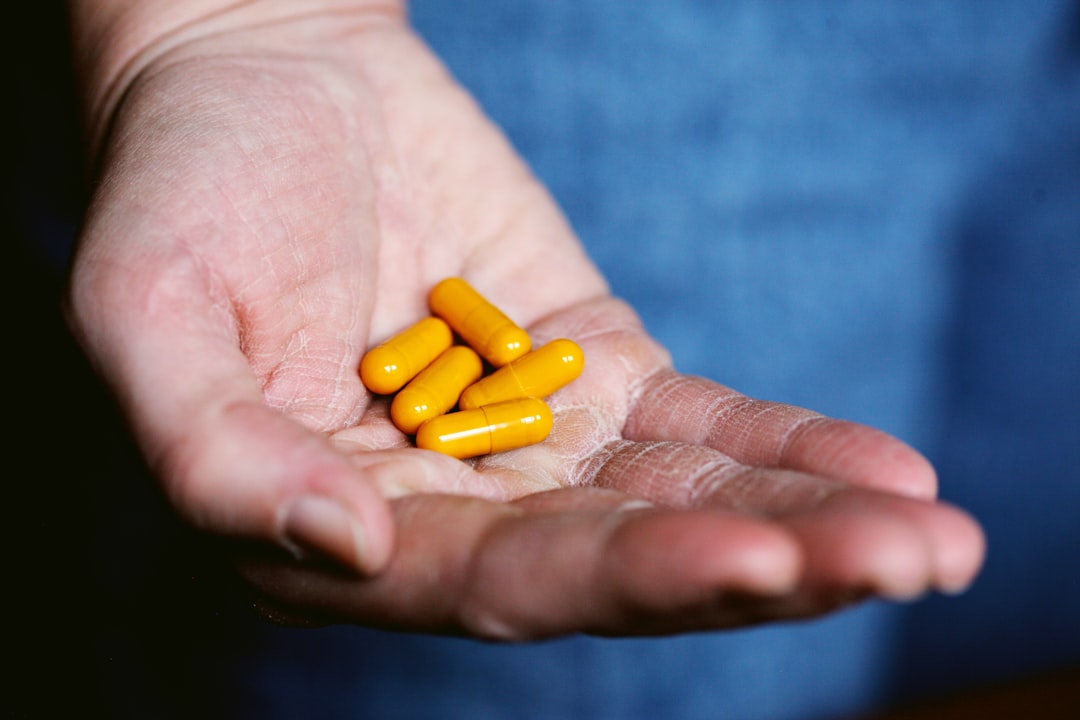
I'm a fan of nutritional supplements. The ones I personally take typically fall into 1 of 3 categories: performance, recovery, and foundational support. If you open one of my kitchen cabinets that houses the variety of stuff I take and give to my family, your eyes might get big and think I'm crazy. But Ralph Waldo Emerson is credited with the quote, "the first wealth is health." I'm not just using supplementation as a way to "prevent" disease but using it to aid my aspirations and allow myself to keep doing what I desire.
With that said, there are things I like to look for when implementing supplementation for clients as well as myself, and it's not the obvious "quality-of-a-product" AI generated content you're going to find on your favorite social media platform.
DOSAGE
Many people gasp a little when they look at a supplement label and see that a certain nutrient contains 2,000% of the RDA (Recommended Daily Allowance).
I'm rarely concerned about the large amount of a nutrient but more about how little a nutrient the product contains, especially if it's claiming to support a certain condition.
For example, I use and often recommend a product called inositol. You'll often see this nutrient in products that are promoted for sleep/mood support, insulin resistance regulation like PCOS, and even thyroid conversion. Sounds like an amazing nutrient. I personally use it mostly for sleep enhancement.
BUT...just taking some doesn't mean it's going to help you accomplish what you're seeking. In other words, what doses were used in studies that support condition specific claims? For inositol specifically, the doses can be like 4 –12 grams (4,000–12,000 mg) of inositol in the study, but there may only be like 200 grams of inositol in the product you're being targeted and marketed to. You take it thinking it's going to help but conclude "that doesn't work for me." You're right, because there's a large chance you aren't getting enough.
When you see "studies show," look to the study for the dosage.

DURATION
Along with the dosage, the duration of use is also important. Staying with inositol as an example, when it comes to insulin resistance in gestational diabetes a dose of 4,000 mg is often used, but all the improvements in fasting glucose and insulin levels were around the 8-week mark.
Before you add in a supplement and write it off as "this doesn't work," even using the correct dose, have you used it long enough to be effective?
MECHANISM MIMICKING
Many people will ingest supplements in an attempt to mimic a medicine. People will use red yeast rice as a substitute for a statin (lowering cholesterol). People will use 5-HTP to mimic an SSRI anti-depressant. There are lots of scenarios.
What I want you to start questioning is, have those mechanisms of the medications actually proven true? For example, is depression a result of serotonin deficiency? Or has lowering cholesterol for the past 40 years created less heart disease?
Don't assume that just because a medicine is approved to treat a condition, that the mechanism of illness is correct and therefore, trying to duplicate that mechanism with a supplement is also going to work. It may be safer, but is it effective?
GOT QUESTIONS?
Book a complimentary discovery call to see if we're a good fit to work together.
GET. MORE. ENERGY
At Dr. Kurt's Place, we have helped many with a variety of conditions but what we're best at, what we enjoy the most, and what we've had the best track record with is helping you get more energy to serve, lead, and dominate.
We're not diagnosing or treating your disease, we are working to upgrade your overall health and well being.
Dr. Kurt Perkins DC CCWP CFMP
4239 N. Nevada Ave. Suite 104
Colorado Springs, CO 80907
719-602-4545
hello@drkurtperkins.com
CONTACT US
hello@drkurtperkins.com
(719) 602.4545
4239 N. Nevada Ave. #104
Colorado Springs, CO 80907

Stay connected
© Copyrights by More Health Less Healthcare Inc. All Rights Reserved.